Common driveway access problems in Plaistow for gardeners
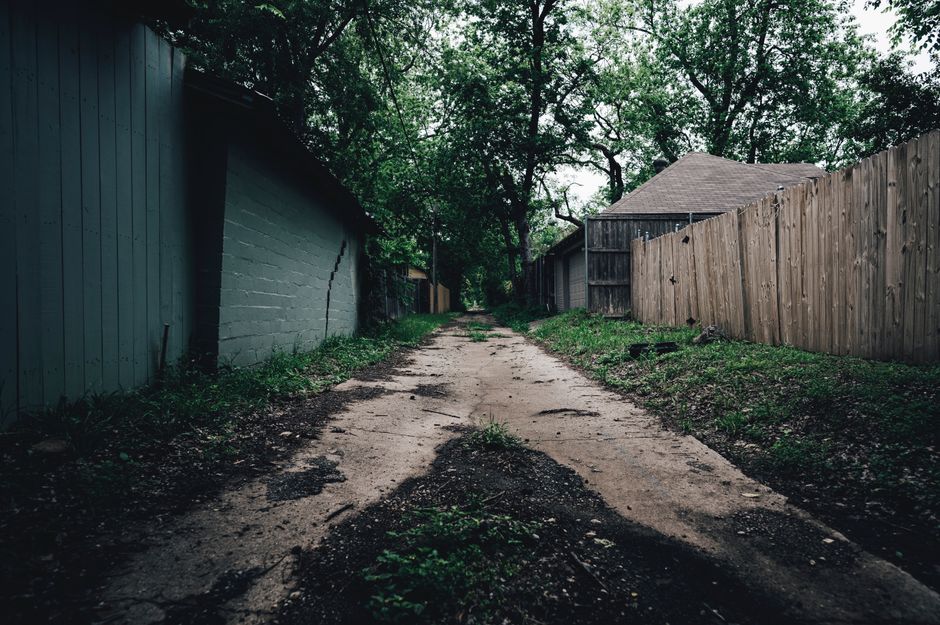
If you garden in Plaistow, you already know that the hardest part is not always the hedge trimming, lawn work, or planting. Quite often, it is simply getting in and out of the property with the right kit. Common driveway access problems in Plaistow for gardeners can turn a straightforward job into a slow, awkward, slightly frustrating day. Narrow entrances, parked cars, low branches, awkward gates, and shared access all create delays that many people only notice once the van is already outside.
This guide breaks the issue down in plain English. You will learn why access matters, how gardeners usually work around it, what mistakes cause the most headaches, and when a bigger fix is needed. There is no fluff here. Just practical advice, local context, and the kind of detail that saves time on site and prevents that dreaded first five-minute stare at the driveway. Let's face it, a garden can be beautiful and still be a logistical mess.
- Why driveway access matters for gardeners
- How access planning works in practice
- Key benefits of sorting access early
- Who this is for
- Step-by-step guidance
- Expert tips for better results
- Common mistakes to avoid
- Tools and recommendations
- Best practice, safety, and compliance
- Options and comparison
- Real-world example
- Practical checklist
- Conclusion
- Frequently asked questions
Why Common driveway access problems in Plaistow for gardeners Matters
Driveway access sounds like a small detail. In reality, it affects almost everything: how quickly a team can start, where tools can be parked, whether waste can be moved out efficiently, and how safe the day feels for everyone involved. In Plaistow, where properties can vary a lot from one street to the next, access is often the difference between a smooth visit and a day full of compromises.
For gardeners, access problems matter because most garden work depends on carrying tools, materials, and waste through the property without damaging surfaces or blocking neighbours. A mower that has to be lifted over a narrow step, a hedge cutter that cannot be wheeled in, or a pile of cuttings that has to be shuttled through a cramped side path all slow the job down. Multiply that across a full day, and it adds up quickly.
For homeowners and landlords, access problems can mean higher labour time, more disruption, and a greater chance of misunderstanding about what was included in the visit. If the access route is tight, muddy, blocked, or shared, the team may need to work differently. That does not automatically mean the job is difficult, but it does mean expectations need to be clear from the start.
There is also a practical safety angle. Garden work often involves sharp tools, wheelbarrows, bags of waste, and repeated lifting. If the driveway is awkward, people are more likely to take shortcuts. And shortcuts, to be fair, are where small accidents tend to happen.
How Common driveway access problems in Plaistow for gardeners Works
In simple terms, access planning is the process of checking how a gardener will move from the street to the working area and back again. It sounds basic, but that route needs to be thought through properly. A professional will usually consider the width of the driveway, turning space, surface type, gate size, step height, parking restrictions, and whether any neighbours share the entrance.
In Plaistow, the following access issues come up often:
- Narrow driveways that leave little room for vans, trailers, or even barrows to pass comfortably.
- Blocked entrances caused by bins, deliveries, parked vehicles, or overgrown planting.
- Low branches or hedges that scratch vehicles or reduce headroom.
- Steep or uneven surfaces that make it harder to transport equipment safely.
- Shared driveways where timing and courtesy matter because another household needs access too.
- Restricted parking nearby, which may force the team to carry equipment a longer distance.
The important thing is that access problems are not always visible from the street. A front garden can look manageable, then the side path is too narrow for a wheelbarrow, or the gate opens inward and blocks the route. You only know once you walk it. That is why a quick pre-visit question can save everyone hassle.
Many gardeners also think in zones: street parking, entry point, transit route, work area, and waste exit. If any one of those zones is awkward, the whole job becomes slower. Not impossible. Just slower.
Key Benefits and Practical Advantages
Getting driveway access sorted early has real, measurable advantages. Some are obvious, others creep up over the course of the job.
- Faster start times because the team can unload without rearranging everything twice.
- Lower risk of damage to paving, fencing, gates, and vehicles.
- Less disruption for residents and neighbours.
- Cleaner working conditions because waste and cuttings can be moved out more efficiently.
- Better value for money when labour time is spent on gardening rather than navigating obstacles.
- Improved safety for people using sharp or heavy equipment.
There is another benefit people sometimes miss: better results. When a gardener is not fighting access at every turn, attention goes back to the actual work. Edges are neater, waste is cleared properly, and detail work does not get rushed because the clock is chewing through time on logistics.
If the garden needs broader attention, access planning becomes even more useful. Jobs such as garden clearance, regular maintenance, or heavier tidy-ups after a long spell of growth are much easier when the route in and out is clear.
Expert takeaway: Most driveway access problems are not expensive to solve on their own, but they become expensive when ignored. A five-minute check before the visit is usually worth far more than a half-hour of improvisation on the day.
Who This Is For and When It Makes Sense
This topic matters to several groups, not just garden contractors. If you are a homeowner, you may need it when booking seasonal tidy-ups, hedge cutting, lawn care, or a one-off clearance. If you are a landlord or letting agent, access issues can shape how quickly a property can be made presentable between tenancies. If you are the gardener yourself, it affects how you price, plan, and deliver the work.
It makes sense to pay close attention when the property has any of the following:
- a shared driveway or shared side passage
- limited off-street parking
- metal gates, narrow side entries, or awkward turns
- overgrown hedges or trees narrowing the access route
- recent resurfacing, loose gravel, or slippery paving
- large volumes of green waste expected
It is also worth considering access before larger outdoor projects. If the work involves new planting beds, structural changes, or layout improvements, the route in can affect what is realistic. In those cases, it may be sensible to look at broader landscape gardening or landscaping support, because access and design often influence each other more than people expect.
Truth be told, the people who benefit most are usually the ones who ask about access before the first visit. That one question can save a lot of back-and-forth later.
Step-by-Step Guidance
If you are trying to manage or assess driveway access for a gardening job, this is the practical order that tends to work best.
- Measure the obvious bottlenecks. Check driveway width, gate width, side passage width, and any tight corners. You do not need a surveyor's kit. A tape measure and a decent eye are usually enough for a first pass.
- Look for fixed obstructions. Low branches, wall projections, postboxes, bins, handrails, and uneven paving all matter. The annoying little things matter here.
- Note the surface condition. Gravel, mud, moss, and broken slabs can make a route slippery or unstable. That affects trolleys, wheelbarrows, and foot traffic.
- Check parking and unloading options. Can the gardener stop close by? Is there a loading bay nearby, or is street parking limited? If the van has to sit far away, plan for that.
- Think about the waste route. Cutting and collecting is one thing; getting the waste out without dragging debris through clean areas is another.
- Confirm timing with anyone else involved. Shared driveways, neighbours, delivery schedules, or school-run patterns can all get in the way if nobody coordinates.
- Decide whether the route needs clearing first. Sometimes a small amount of prep is enough. Other times, the entrance needs trimming, tidying, or a temporary clearing before the main work starts.
A useful habit is to imagine the largest item that needs to pass through the route. Not the smallest pruning snips. The biggest bag of waste, the mower, the ladder, the bulky trug. If that item fits comfortably, most of the rest usually follows.
For gardens that have grown in from all sides, access prep may be easiest when combined with hedge trimming or even tree lopping and removal if branches are genuinely restricting movement. That kind of thing can transform a tight space pretty quickly.
Expert Tips for Better Results
Here are the small, practical habits that make a real difference on the ground.
- Walk the route before unloading. A short walk often reveals problems you would not spot from the gate.
- Keep the access line clear. One wheelbarrow path is better than three half-blocked routes.
- Use light, modular kit where possible. Smaller tools are often easier to carry than a heavy all-in-one setup.
- Protect surfaces early. If the route includes delicate paving or decking, use sensible lifting and avoid dragging.
- Schedule heavy jobs first. Waste-heavy work is easier before the driveway gets cluttered with equipment and cuttings.
- Take photos if access is borderline. They help with planning and keep expectations realistic.
One thing that often surprises people: a tiny hedge or self-seeded shrub near the gate can have a big impact. It seems harmless, then suddenly the mower handle catches every time. A little clip back can solve what feels like a major access issue.
Also, if a driveway is used as a working surface, it helps to think in terms of flow. Can the gardener enter, work, turn, load, and leave without reversing awkwardly five times? If not, there is room for improvement.
Common Mistakes to Avoid
Access issues usually become worse because of simple assumptions. The classic one is: "It should be fine." Well, maybe. But maybe not.
- Not checking the gate width properly. A gate may look wide enough until the wheelbarrow or mower actually arrives.
- Forgetting about parked cars. Even a perfect route is useless if someone parks across it on the morning of the job.
- Ignoring overhead restrictions. Low branches, wires, or canopies can be just as limiting as a narrow entrance.
- Leaving waste clearance until the end without a plan. That can create a messy bottleneck right when the team wants to finish cleanly.
- Assuming all gardeners use the same kit. A compact two-person team and a larger clearance crew have very different access needs.
- Not mentioning access problems in advance. This is the one that causes the most friction, honestly.
Another common issue is underestimating how wet weather changes everything. A driveway that is manageable in dry weather can become slippery and slow in a February drizzle. Plaistow weather, like most of London, can switch mood without warning. One minute fine, next minute a bit miserable.
If access problems regularly limit what can be done, the garden layout itself may need a rethink. That is where a longer-term plan, not just a one-off tidy, starts to make more sense. Services such as lawn mowing and ongoing garden maintenance are easier to manage when the route stays clear all year.
Tools, Resources and Recommendations
You do not need a huge amount of specialist gear to deal with most driveway access problems, but the right basics help a lot.
| Item | Why it helps | Best use case |
|---|---|---|
| Tape measure | Checks gate and passage widths quickly | Before booking or on first visit |
| Foldable trolley or barrow | Moves tools and waste through narrow routes | Small to medium garden jobs |
| Tarpaulin or debris sheet | Keeps cuttings contained and reduces mess | Clears, hedge cuts, pruning |
| Gloves with grip | Improves handling on uneven or damp surfaces | Any lifting or carrying task |
| Simple access notes | Records parking, gate issues, and route restrictions | Repeat clients or multi-visit work |
For larger or more awkward jobs, it helps to speak openly about what can realistically fit through the access route. If the problem is mainly clutter or overgrowth, a focused tidy-up may solve it. If the route itself is the issue, then broader planning is needed. That is where the right service mix matters, especially if the property needs more than a quick trim.
For example, a property with dense front hedging may not just need a cosmetic cut. The route could improve drastically after proper hedge trimming, while a heavily blocked front garden might call for garden clearance before maintenance can resume.
Law, Compliance, Standards, or Best Practice
For most domestic garden visits, the main concerns are safety, reasonable care, and clear communication rather than anything overly formal. Still, best practice matters. A professional gardener should think about manual handling, safe lifting, trip hazards, tool storage, and how to avoid damage to surfaces and neighbouring property.
In practical terms, that means:
- not forcing heavy equipment through spaces that are clearly too tight
- keeping routes as free from clutter as possible
- using safe lifting methods for waste bags and machinery
- avoiding damage to gates, walls, paving, and parked vehicles
- communicating access concerns before work starts
It also means being careful when children, pets, or other residents may be moving through the same area. A narrow driveway can become a pinch point very quickly. That is where common sense and good sequencing matter more than fancy equipment.
For clients, it is sensible to ask whether the team has appropriate insurance and safety arrangements and whether they follow clear working practices. You do not need a lecture on policy documents. You just want to know the job will be handled properly and respectfully.
If sustainability matters to you, access planning can also reduce wasteful double-handling and unnecessary fuel use. Less back-and-forth means less disruption. It is a small thing, but it adds up. The website's recycling and sustainability approach is also worth considering if waste disposal and material sorting are part of the brief.
Options, Methods, or Comparison Table
Not every driveway problem needs the same fix. Sometimes the answer is simply better planning. Other times, the entrance needs to be physically improved. Here is a practical comparison.
| Approach | Best for | Pros | Limitations |
|---|---|---|---|
| Plan around the access issue | Minor obstructions, short-term jobs | Quick, low cost, easy to arrange | May not solve a genuinely tight entrance |
| Trim back growth near the route | Overgrown hedges or branches | Improves clearance and visibility | Needs repeat maintenance |
| Clear clutter and debris first | Blocked entrances or messy front areas | Creates immediate working space | Does not change the driveway itself |
| Adjust the garden layout | Recurring access problems | More durable long-term fix | May require design work and budget |
| Bring in a larger planned project | Major access and layout constraints | Can transform how the property functions | Takes longer and needs more coordination |
In many Plaistow gardens, the smartest route is a combination of the first three methods. Start by clearing what is in the way. Then trim what is narrowing the path. Then decide whether the underlying layout still causes problems. That layered approach is usually more cost-effective than trying to solve everything in one dramatic go.
Case Study or Real-World Example
Here is a realistic example from the kind of situation gardeners run into all the time.
A small front and rear garden property had a driveway that looked usable from the street, but the side access narrowed sharply after the gate because a hedge had grown out and a climber had started creeping over the fence line. The mower could get in, but waste bags were awkward, and the main issue was turning back out with cuttings. Nothing was broken. Nothing dramatic. It was just awkward in all the wrong places.
Before the visit, the client was asked to clear bins from the entrance and confirm where the van could stop. The gardener then trimmed back the hedge, removed a few low branches, and used a narrow trolley for waste. The whole job became much more straightforward once the route was opened up.
The lesson? Access problems are often cumulative. One hedge is fine, one bin is fine, one awkward gate is fine. Put them together and suddenly the job feels twice as hard. Small fixes can have a surprisingly big payoff.
On slightly more involved sites, the solution might include a mix of clearance and ongoing upkeep, especially where access keeps getting pinched by regrowth. That is when a regular service plan begins to make genuine sense rather than just being a nice idea.
Practical Checklist
Use this before a gardening visit or before booking one.
- Is the driveway or side access wide enough for the tools needed?
- Are any gates, bins, cars, or furniture blocking the route?
- Are there low branches, hedges, or walls narrowing the way?
- Is the surface safe when wet or uneven?
- Can the van stop nearby without causing problems?
- Will the waste have a clear route out?
- Do neighbours share or depend on the same access?
- Will any access issue need fixing before the main work starts?
- Has the client mentioned anything unusual about the property?
- Have you allowed enough time for slower movement through the site?
If you can answer most of those clearly, you are already ahead of the game. If not, it is worth pausing and planning properly. No shame in that. Honestly, it saves the day.
Get a free quote today and see how much you can save.
Conclusion
Common driveway access problems in Plaistow for gardeners are usually practical, not dramatic. But practical problems matter because they affect time, safety, cost, and the overall quality of the job. Narrow entrances, blocked routes, awkward gates, and shared access can all be managed well if they are spotted early and handled with a bit of care.
The best approach is simple: check the route, clear what you can, trim what is encroaching, and be honest about what the site needs. That is how you avoid delays and keep the work moving smoothly. And if the access is especially tight, the answer is often a combination of garden clearance, maintenance, and careful planning rather than brute force. Which, to be fair, is usually the smarter way anyway.
If you are comparing service options or want to understand how a professional team approaches tricky access, you can also review the wider services overview and learn more about the company on the about us page. When you are ready, the next sensible step is to ask for a clear, no-nonsense assessment of the site. A good plan makes everything easier.
And sometimes, that little bit of organisation is all it takes to turn a cramped driveway into a workable path forward.
Frequently Asked Questions
What are the most common driveway access problems for gardeners in Plaistow?
The most common issues are narrow driveways, blocked entrances, shared access, low branches, awkward gate positions, and limited parking nearby. Wet or uneven surfaces can also make things harder than they first appear.
Why does driveway access matter so much for garden work?
Because the gardener needs to move tools, machinery, and waste in and out safely. If access is poor, the job takes longer, can be more tiring, and may put surfaces or property at risk.
Can a gardener still work if the driveway is very narrow?
Often yes, but the work may need adapting. Smaller equipment, more careful scheduling, and a clearer route can make a big difference. In some cases, a clearance step may be needed before the main job starts.
Should I mention access problems before booking a gardening visit?
Yes, definitely. Even a quick note about gate width, parking, or overgrown hedges helps the gardener plan properly and avoid delays on the day.
What if my driveway is shared with a neighbour?
Shared access is manageable, but it needs courtesy and timing. It helps to let everyone know when work is happening so nobody gets blocked unexpectedly.
Do overgrown hedges really affect driveway access that much?
They can, especially if they narrow the opening or block visibility. Even a few inches can matter when a barrow, mower, or waste bags need to pass through.
Is it better to clear the driveway before the gardener arrives?
Usually yes. Moving bins, bikes, cars, and loose items out of the way makes the work smoother and gives the team a better start. It also reduces the chance of damage.
What kind of access issues might increase the time needed for a job?
Tight turning spaces, long carry distances, difficult waste routes, and multiple obstacles can all slow things down. The work itself may be simple, but the logistics add time.
Can driveway access problems affect the price of garden work?
They can, depending on how much extra labour, time, or planning is involved. A quick assessment before the job is the best way to avoid surprises.
What should I do if my driveway surface is slippery or uneven?
Tell the gardener in advance and clear away anything loose. If the surface is badly uneven or unsafe, it may need attention before heavier garden work is attempted.
How do I know whether I need garden clearance or just routine maintenance?
If the problem is mainly clutter, overgrowth, or blocked access, garden clearance may be the better first step. If the space is already workable and just needs keeping under control, routine maintenance is often enough.
What is the safest way to handle access problems during a garden job?
The safest way is to plan the route, keep it clear, use suitable equipment, and avoid forcing anything through a space that is too tight. Good communication and sensible lifting go a long way too.