Hedge Trimming in Plaistow
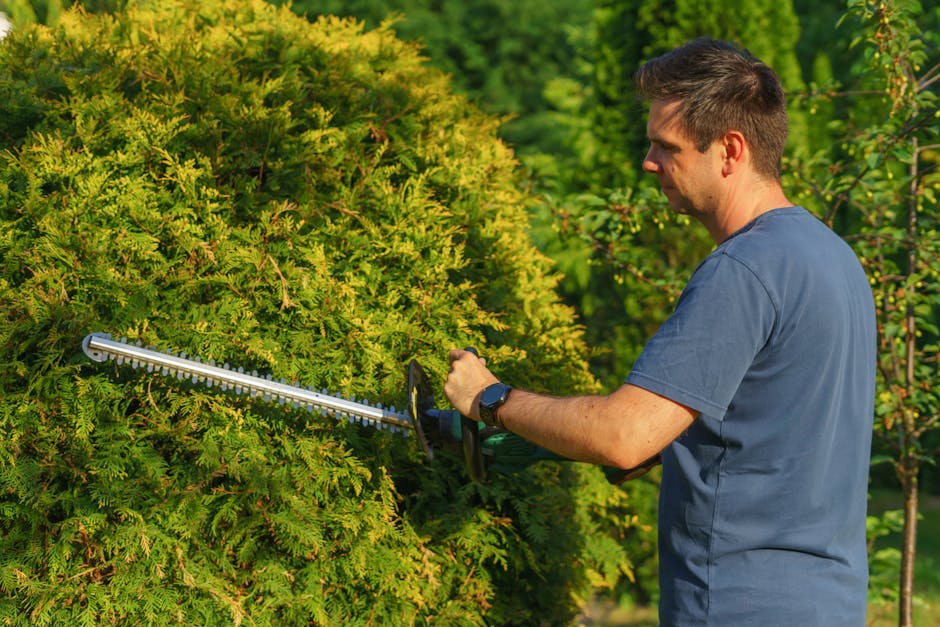
Hedge Trimming in Plaistow is about shaping boundaries, controlling growth and keeping planted edges neat, balanced and fit for purpose. We trim hedges for homes and managed outdoor spaces where a clean outline matters, whether the aim is to keep a frontage tidy, maintain privacy, or stop fast-growing plants from overwhelming paths and planting beds. The work can involve regular maintenance cuts, careful reductions and selective attention to the top and sides so the hedge keeps a healthy form rather than becoming patchy or overextended.
Different hedges need different approaches. Some respond well to frequent light trimming, while others are better managed with less frequent but more considered cuts. We work with that in mind, paying attention to growth habit, season, thickness and the shape you want to keep. Where hedges are close to walls, fences, driveways or shared boundaries, the cut line has to be controlled carefully so the finished result looks purposeful rather than clipped at random. Good hedge work is both practical and visual.
If you are comparing options, it helps to think first about the result you want: sharper lines, a reduction in height, lighter seasonal maintenance, or a fuller-looking hedge that still feels contained. Clear expectations at the start save time later. You can use this page to understand the kinds of work available and then request a quotation when you are ready. For broader garden upkeep, you may also want to look at our garden maintenance service alongside hedge care.
Regular Hedge Care and Seasonal Trimming
Many hedges benefit from planned trimming rather than occasional heavy cutting. Regular hedge care helps keep growth dense, prevents protruding shoots from catching on walkways, and makes it easier to maintain a shape that suits the property. Trimming frequency depends on the species and the look you want to maintain, but the general aim is the same: to keep the hedge under control without stripping away too much growth at once. That approach usually gives a cleaner finish and makes later maintenance more manageable.
Seasonal work can be useful where a hedge puts on rapid growth in spring and summer or where a more formal outline needs to stay sharp through the year. In those cases, it is often better to remove small amounts consistently than to wait until the hedge has become unruly. If you need other outdoor work as well, our services overview provides a simple route through the main options, while hedge trimming remains the core service here.
What a tidy finish usually involves
A finished hedge should look even from end to end, with no obvious dips, bulges or thin patches caused by uneven cutting. The top needs to be level or intentionally shaped, the sides should taper in a controlled way where appropriate, and the base should still receive enough light to stay healthy. That balance matters as much as the neatness. Trimming is not just about removing green growth; it is also about preserving structure so the hedge keeps performing its role in the garden.
Shaping Boundaries, Frontages and Garden Screens

Hedges often act as boundaries, screens or visual frames, so the trimming method should match the job they are doing. A frontage hedge might need a smart, crisp line to support kerb appeal, while a boundary hedge may need a slightly softer approach that keeps privacy while preventing overgrowth. In smaller gardens, trimming can open up space and make the layout feel more ordered without removing the natural character of the planting. The aim is to keep the hedge useful as well as attractive.
We also consider how the hedge sits in relation to the rest of the garden. A hedge close to paving can narrow access if it is left unchecked, and a hedge near mixed planting can shade neighbouring shrubs if it spreads too far. Trimming can therefore be part of the wider layout of the space, not just a standalone task. For customers thinking about longer-term garden improvements, our landscape gardening page covers work that may be relevant alongside neat edge control.
Typical hedge decisions
- Whether the hedge needs a light tidy or a more noticeable reduction in size
- How much shape should be retained rather than reset
- Whether the hedge is formal, informal or mixed with other planting
- How close the hedge sits to paths, fencing, brickwork or driveways
- How often future maintenance is likely to be needed
Reducing Overgrowth and Restoring Control
Some hedges need more than a routine trim. When growth has moved well beyond the desired line, the work may involve bringing the hedge back into control in stages rather than taking too much from it at once. That is especially relevant where the hedge has become tall, wide or uneven over time. A sensible reduction aims to restore shape and accessibility while avoiding unnecessary stress to the plant. The result may not be an instant transformation, but it is usually a better long-term approach.
Where a hedge has become difficult to manage, the challenge is often as much about access and proportion as it is about cutting. Overgrown sections may hide thin stems, awkward bends or older wood that needs a more careful response. In those situations, the work benefits from restraint and judgement rather than a purely aggressive cut. If the hedge is part of a larger neglected area, you may also find our garden clearance service useful for the wider space around it.
We keep the focus on what the hedge can reasonably support. That may mean combining a neater outer shape with selective reduction, or simply improving balance so the hedge looks intentional again. The aim is always to leave the planting in a condition that can be maintained in future, rather than creating a problem that needs to be corrected again soon after.
Working Around Boundaries, Access and Nearby Features
Hedge trimming often needs to respect what sits around the hedge as much as the hedge itself. Close boundaries, narrow side access, planted borders, fences and paved routes all influence how the work is done. A tidy result depends on being able to follow the hedge line accurately and keep the cut clean where vegetation meets hard surfaces. When a hedge sits beside a path or driveway, attention to the outer face can make the whole property look more orderly straight away.
There are also practical choices to make about how the finished edge should sit in relation to the property. Some customers prefer a straight formal face, while others want a softer, more natural outline that still stays under control. Both can work well, provided the trimming respects the hedge’s growth pattern. If you are comparing hedge care with other outdoor improvements, our landscaping page shows how different elements of a garden scheme can sit together without the work feeling piecemeal.
When quoting for hedge trimming, the most useful details are often the hedge length, rough height, accessibility and whether the work is a light trim or a heavier reduction. Photos can also help, especially where the hedge has several sides, changes in level or tight access. Simple information first makes it easier to assess the job properly. That does not need to be complicated; it just helps the scope of work stay clear from the outset.
Hedge Trimming for Front Gardens, Rear Gardens and Shared Edges
Different parts of a property call for different hedge priorities. A front garden hedge is often about presentation and clear lines, especially where it frames a path or entrance. A rear garden hedge may be more about privacy, shelter and keeping the outdoor space comfortable to use. Shared edges need extra care because the hedge may affect both sides of a boundary, and the finish should remain even rather than leaning heavily in one direction. Good trimming takes that context into account.
Some hedges are used almost like living walls, while others simply mark a boundary between parts of a garden. In either case, the trimming should leave the hedge workable for the next round of maintenance. If the hedge is one part of a wider garden care plan, our lawn mowing service can complement the overall finish by keeping the ground layer equally neat. That combination often makes the whole garden feel more settled and manageable.
The best results usually come from looking at the hedge as a shape with several faces: top, outer side, inner side and base. Each part contributes to the overall appearance. A hedge that is trimmed evenly on all visible faces tends to look calmer and better maintained, whereas one-sided cutting can leave it lopsided or awkward. The aim is a balanced outline that suits the property rather than one that feels forced.
What Affects the Price of Hedge Trimming

Several factors can influence the quotation for hedge trimming, and it helps to understand them before requesting a price. Height is one of the main considerations, because taller hedges usually take more time, more controlled cutting and sometimes more access planning. Length matters too, as does thickness, since dense growth can be slower to shape neatly. The amount of reduction needed is also important: a light tidy, a seasonal cut and a major reset are not the same kind of task.
Access can affect the work as well. If a hedge is easy to reach from one side, the process may be simpler than a hedge that needs attention from several angles or has obstacles nearby. The condition of the hedge also plays a role, especially if it has been left to run for a long time and now needs more selective work. For a clear view of related information, you can also review our pricing and quotes page before deciding how to proceed.
When preparing to ask for a quotation, it is useful to note whether the hedge is purely decorative, boundary-forming or part of a privacy screen. Those details help set expectations about the outcome. A quote is most accurate when the hedge’s size, condition and access are described plainly. If you want to move ahead, the next step can be as simple as requesting a quotation in a short message.
About Plaistow
Plaistow is an area in the London Borough of Newham in East London, historically part of Essex before being absorbed into the expanding metropolis. Its position has long been shaped by proximity to Stratford, Canning Town and the Royal Docks, with the district developing strongly during the nineteenth century as London’s urban footprint spread eastwards. The name is old, and the area retains traces of its layered past through streets, churches, terraces and mixed-use neighbourhoods that reflect different waves of growth and rebuilding. Today Plaistow is primarily residential, but it sits within a busy part of London where transport, housing and community life intersect closely.
Additional Care Options and Garden Services

Although hedge trimming is the main service here, some properties benefit from a wider maintenance plan. A hedge that is cut neatly can still look unfinished if surrounding planting is overgrown, lawns are untidy or boundary areas are neglected. In that situation, a combination of services may create a more coherent result. The point is not to add unnecessary work, but to choose the parts of the garden that most affect the overall finish and maintain them in the right order.
Where hedges sit alongside trees, denser planting or larger outdoor projects, it can be useful to think about the garden as a connected space rather than isolated features. That is why our tree lopping and removal page may be helpful for customers dealing with heavier branches or trees that compete with hedge lines. For a broader sense of what else can be supported, the garden maintenance page sets out routine care in a straightforward way.
Planning the work in a sensible order
It is often best to trim the hedge before deciding whether neighbouring plants also need attention, because a freshly shaped hedge gives a clearer view of the rest of the garden. Where the hedge is part of a larger planting scheme, that sequence helps avoid overdoing any one area. The result should feel coherent rather than piecemeal, with each element supporting the others. If you are ready to discuss the job, you can request a quotation.