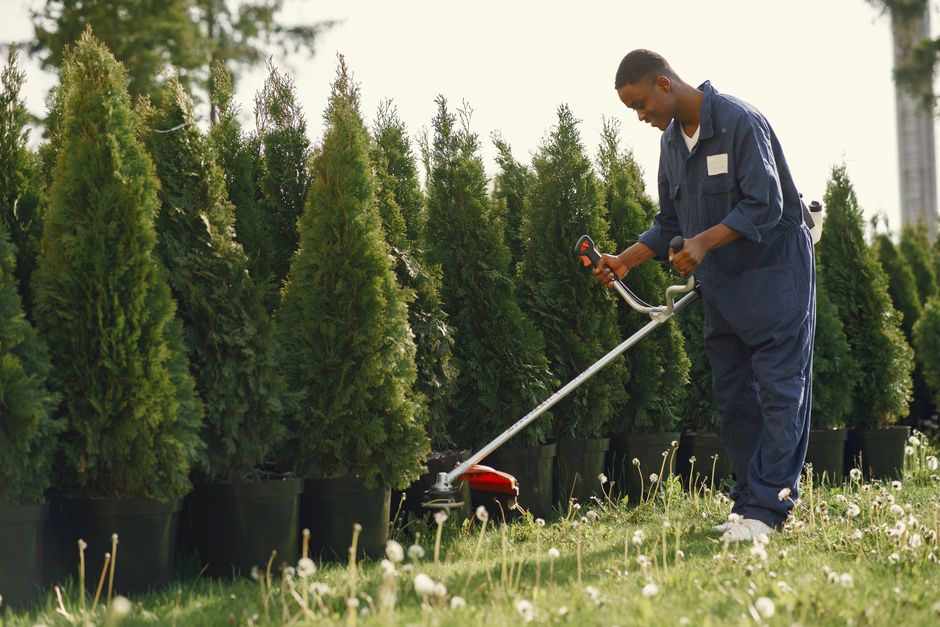
Cheap Plaistow garden services versus full maintenance contracts
If you are weighing up cheap Plaistow garden services versus full maintenance contracts, you are probably trying to solve a very normal problem: how do you keep a garden tidy without paying for more than you need? In Plaistow, gardens can be small, awkward, and busy. One month everything looks fine; the next, the hedge has jumped, the lawn looks patchy, and there is suddenly a pile of clippings nobody planned for.
The short version is this: cheaper one-off garden work can be brilliant for urgent jobs, seasonal tidy-ups, and tight budgets, while a full maintenance contract makes more sense if you want consistency, predictable visits, and less hassle. The right choice depends on how fast your garden changes, how much time you have, and whether you want a reactive or proactive approach.
Below, we will break down the real differences in plain English, so you can make a sensible call rather than a rushed one. No fluff. Just the stuff that actually helps when the grass is growing faster than your weekends.
Why Cheap Plaistow garden services versus full maintenance contracts Matters
People often compare garden services on price alone, and to be fair, that is understandable. A cheaper quote looks attractive when the hedge is overhanging the path or the front garden needs a quick rescue before visitors arrive. But price is only one part of the story. Service scope, reliability, response time, waste removal, and the amount of planning involved all change the value you get.
Cheap one-off services usually focus on immediate jobs: mowing, hedge trimming, clearances, pruning, or a straightforward tidy-up. They are useful when the garden has been left for a while or when you only need occasional help. Full maintenance contracts go further. They are designed to keep the garden in shape all year, often through scheduled visits and a broader list of tasks.
The difference matters because gardens do not fail in one dramatic moment. They drift. A missed mow becomes a tufted lawn. A trimmed hedge becomes a thicket. A few leaves become a soggy corner that never quite dries out. Then suddenly you are not paying for maintenance anymore; you are paying for recovery. That is where the real budgeting question starts.
In Plaistow, where many homes have compact outdoor spaces and limited storage, regular maintenance can be especially helpful. But if your garden is low-effort and you only need support now and then, a contract might be overkill. The goal is not to buy the biggest package. The goal is to buy the right kind of help.
How Cheap Plaistow garden services versus full maintenance contracts Works
Cheap garden services tend to be simple. You ask for a job, the work is quoted, and the team comes out to complete it. Sometimes it is a single visit; sometimes it is a small block of work. The emphasis is on getting something done efficiently and at a lower entry cost. This model works well for homeowners who only need occasional intervention.
Full maintenance contracts work differently. They usually involve a recurring schedule, such as weekly, fortnightly, or monthly visits, depending on the property and season. The provider looks after agreed tasks on an ongoing basis. That can include lawn care, hedge trimming, edging, clearance, seasonal planting care, and general tidying. It is more of a relationship than a one-off transaction.
There is also a practical difference in how the garden is managed. With cheap one-off work, the team may arrive, tackle the visible issues, and leave the property in a noticeably better state. With a full contract, the job is often smaller each time, but the overall standard stays more even. You will usually notice fewer emergencies and less "oh no, it has got out of hand again" energy. Which, let's face it, is nice.
One useful way to think about it: cheap services are reactive, contracts are preventative. Neither is automatically better. They simply serve different patterns of use.
If you want to see how a service provider structures the wider offer, it can help to review a clear services overview and the details on pricing and quotes before deciding what level of cover you actually need.
Key Benefits and Practical Advantages
Each option has its own strengths, and the right choice often comes down to what kind of garden owner you are. Some people want maximum control. Others want the garden to quietly look after itself with minimal fuss. Both are valid.
Benefits of cheap Plaistow garden services
- Lower upfront cost: ideal if you only need help occasionally.
- Flexibility: book only when the garden needs it.
- Good for catch-up work: useful after holidays, bad weather, or a busy spell.
- Easier to test a provider: you can assess quality before committing long term.
Benefits of full maintenance contracts
- Predictable standards: the garden is kept at a consistent level.
- Less mental load: no need to remember when the next visit is due.
- Better prevention: small issues get handled before they become bigger jobs.
- Often better for larger or more demanding gardens: especially if hedges, lawn care, and clearance all matter.
The practical advantage of a contract is usually time savings. That sounds simple, but it is real. You do not have to think, chase, or re-book quite so often. The practical advantage of a cheaper ad hoc service is control. You only pay when the garden actually needs attention. For many households, that flexibility is the whole point.
Expert summary: if your garden can be kept tidy with a few well-timed visits a year, cheap one-off services may be enough. If you want your outdoor space to stay consistently neat without regular planning on your side, a maintenance contract usually offers better long-term peace of mind.
Who This Is For and When It Makes Sense
This topic matters to a few different kinds of people. The obvious ones are homeowners, but landlords, letting agents, small businesses, and busy families all end up asking the same question in slightly different ways.
Cheap services make sense if you:
- have a small garden that only needs occasional help;
- prefer to manage most tasks yourself;
- need a one-off tidy-up before a sale, letting change, or family event;
- are working to a tight budget and need the essentials only.
A full contract makes sense if you:
- want the garden kept at a steady standard through the year;
- have hedges, borders, lawns, or trees that need regular attention;
- own a property that must present well at all times;
- do not want the garden to become a recurring weekend project.
There is a middle ground too. Some people do not need a full contract, but they also do not want completely ad hoc work. In those cases, a seasonal plan or a regular but light-touch maintenance schedule can be the sweet spot. Not glamorous, but practical. And practical is usually where the savings live.
If you are unsure what level of support your garden needs, browsing related services such as garden maintenance, lawn mowing, hedge trimming, or garden clearance can help you identify whether you need a one-off intervention or ongoing care.
Step-by-Step Guidance
Choosing between cheap garden services and a full maintenance contract is easier if you approach it methodically. A quick rush decision often leads to paying twice, which nobody enjoys.
- List the jobs your garden actually needs. Be specific. Grass cutting, hedge shaping, weed control, leaf clearance, pruning, pressure-free tidy-up, disposal. Write the list down.
- Work out how often those jobs appear. Weekly lawn care is different from a hedge trim every couple of months. Frequency is what drives value.
- Decide what you can realistically handle yourself. A little honesty helps here. If you never have time to do it, it is not a DIY job in practice.
- Compare one-off pricing against a contract cost. Think about the whole season, not just the next visit. Cheap today can become costly if you keep rebooking.
- Ask what is included. Waste removal, edging, green waste disposal, and follow-up visits can change the final value quite a bit.
- Check reliability and communication. A low price is less attractive if appointments slip or you are left waiting around all morning.
- Choose the option that fits your actual habits. If you like regular structure, a contract usually feels easier. If your needs are uneven, flexibility may win.
A small real-world example: if you know your front garden gets messy every three weeks because of fast lawn growth and hedge spill, one-off visits may turn into a constant chase. In that situation, a contract can actually be the calmer option, even if it sounds pricier at first glance.
Expert Tips for Better Results
In our experience, the best garden decisions are rarely the flashiest ones. They are the ones that fit the property, the season, and the person paying the bill.
- Separate "urgent" from "important". An urgent tidy-up may need a cheap one-off visit. An important long-term standard usually needs maintenance support.
- Ask for a scope in writing. Even a simple written outline avoids confusion later. It does not have to be fancy.
- Think in seasons. Spring and summer often need more frequent attention than winter. A contract can be adjusted, but it should reflect that rhythm.
- Look at access and disposal. Narrow side passages, limited parking, or heavy waste removal can affect effort and timing.
- Use contracts for consistency, not just convenience. The real win is often the steady standard, not the paperwork.
- Keep a simple photo record. Before-and-after pictures help you judge whether the service is genuinely delivering value. Nothing dramatic, just useful.
And here is a slightly boring but valuable tip: ask how the contractor handles missed visits or weather delays. In Plaistow, a wet week can throw a schedule off quickly. Good communication matters more than people think.
Common Mistakes to Avoid
People usually do not get garden service decisions wrong because they are careless. They get them wrong because the problem is more nuanced than it first appears.
- Choosing only on headline price. A cheap visit that leaves cuttings behind or skips the detail work may not be cheap in the end.
- Overcommitting to a contract too early. If the garden is low-maintenance, a full arrangement can become unnecessary overhead.
- Underestimating seasonal growth. Many gardens look manageable in winter and then explode into work by late spring. Quite suddenly, too.
- Not asking what is excluded. Some services include only the basics, while others cover a broader tidy-up. Know the difference.
- Ignoring waste and disposal terms. Green waste can be a hidden annoyance if it is not clearly handled.
- Assuming all contracts are rigid. Some can be tailored. If you do not ask, you may never find out.
One thing people sometimes miss: a cheap service can be the right move for a neglected garden too, especially as a reset before a longer plan begins. It is not always either/or. Sometimes the smartest route is a one-off clearance followed by lighter ongoing care.
Tools, Resources and Recommendations
You do not need specialist knowledge to make a good decision, but a few practical tools help.
- A garden task list: write down what needs doing, how often, and how messy it gets between visits.
- A simple calendar: helpful for mapping growth cycles and remembering when jobs usually come up.
- Photos on your phone: before a visit, after a visit, and a few weeks later. Very ordinary. Very useful.
- A budget range: decide what you can spend over a season, not just in one month.
- A service comparison sheet: include scope, frequency, waste removal, reliability, and whether the provider is insured.
For some properties, a combination of services is the cleanest answer. A more general maintenance visit plus occasional tree lopping and removal or periodic landscaping work can be a better fit than a single all-in package. The right mix depends on what your garden actually does across the year.
It is also sensible to review a provider's approach to insurance and safety, especially if there are ladders, cutting equipment, or tree work involved. Cheap should never mean careless. That bit matters.
Law, Compliance, Standards, or Best Practice
Garden services in the UK sit within a practical framework of safety, property care, and responsible waste handling. The exact legal and operational duties vary by job type, but there are a few sensible expectations most customers should look for.
For example, if work involves tools, heights, heavy lifting, or machinery, the provider should follow sensible health and safety practice and use appropriate equipment. If waste is removed, it should be handled responsibly rather than dumped or left in a way that creates nuisance. If tree work is involved, caution is especially important because the risk and complexity rise quickly.
You do not need to become a compliance expert. You just need to ask good questions. Is the work insured? Is waste disposal included? Are high-risk tasks handled carefully? Does the provider have clear terms? If those basics are covered, you are already ahead of the curve.
Best practice also includes clear communication on scheduling, access, and scope. A good provider should explain what they can do, what they cannot do, and what would count as an extra job. That kind of clarity saves arguments later. It also saves money, which is nice in a very unglamorous way.
If you want to understand the company's own standards and customer policies, it is worth looking at pages such as health and safety policy, payment and security, and terms and conditions. Those pages help set expectations before work begins.
Options, Methods, or Comparison Table
Here is a practical comparison that keeps the decision grounded. Not every garden will fit neatly into one column, but this gives you a strong starting point.
| Factor | Cheap Plaistow garden services | Full maintenance contracts |
|---|---|---|
| Best for | One-off jobs, occasional tidy-ups, budget control | Regular upkeep, predictable standards, busy households |
| Cost structure | Pay as needed | Recurring or scheduled payment structure |
| Convenience | Lower commitment, but more arranging | Less arranging, more routine |
| Quality consistency | Can vary between visits | Usually more consistent over time |
| Ideal property type | Smaller or low-maintenance gardens | Gardens that grow quickly or need frequent attention |
| Risk of neglect | Higher if visits are delayed | Lower because work is scheduled in advance |
A second practical comparison is this: cheap services are often best when you already know exactly what needs doing. Contracts are better when the answer is, "a bit of everything, all the time." That simple distinction helps more than people expect.
Case Study or Real-World Example
Consider a typical Plaistow terrace garden: a modest lawn, a hedge along the boundary, a few weeds in the edges, and a patio that gathers leaves after a windy spell. The owner works long hours and only gets outside at the weekend, which is usually when the rain turns up. Familiar story, honestly.
At first, the owner chooses cheap one-off visits. It works well for a while. The garden gets sorted before birthdays, family visits, and the occasional patch of mild panic. But as summer arrives, the lawn grows faster, the hedge starts leaning over the path, and the tidy-up visits begin happening more often. The owner notices that the garden is never truly "done"; it just keeps nudging back into work mode.
After that, the choice changes. A full maintenance contract becomes more sensible because it reduces the stop-start pattern. Instead of waiting for the garden to become annoying, the visits keep it from getting there in the first place. The owner spends less time organising work and less time feeling behind. That is the hidden win: fewer interruptions to normal life.
Now, the opposite can also be true. A retired homeowner with a small paved garden and a few containers might be perfectly happy with seasonal one-off help. In that case, paying for regular visits would feel a bit like buying running shoes for someone who only walks to the corner shop. Useful? Maybe. Necessary? Not really.
Practical Checklist
Use this checklist before you decide. It is simple, but it keeps things honest.
- Have I listed all the garden tasks I actually need?
- Do those tasks happen regularly or only once in a while?
- Would I rather pay a little more for convenience, or keep costs flexible?
- Do I want a tidy-up, or do I want ongoing standards?
- Have I checked what happens to green waste and cuttings?
- Do I understand the difference between maintenance, clearance, and landscaping work?
- Am I comfortable with a recurring arrangement, or do I prefer ad hoc visits?
- Have I looked at the provider's safety, payment, and terms information?
- Would a one-off reset plus occasional support be enough?
- Does the option I am choosing suit my garden in spring, summer, and winter?
If your answers lean toward routine, predictability, and less hassle, a contract is probably the smarter long-term move. If they lean toward flexibility, occasional intervention, and lower upfront spend, cheap services may suit you better. Simple as that, really.
Get a free quote today and see how much you can save.
Conclusion
Cheap Plaistow garden services versus full maintenance contracts is not really a battle between good and bad. It is a choice between two different ways of managing the same outdoor space. One is flexible and budget-friendly. The other is structured and reassuring. Both can be right, depending on the garden and the person using it.
If you only need help now and then, keep it simple and spend carefully. If your garden always seems to need something, a maintenance contract can remove a surprising amount of hassle. In the end, the best option is the one that fits your real life, not the one that sounds best on paper.
And if you are still on the fence, that is fine. Most people are. Gardens have a way of making every plan feel slightly more complicated than it first looked, but with the right approach, they become easier to live with and nicer to enjoy. That is worth aiming for.
Frequently Asked Questions
What is the main difference between cheap garden services and a full maintenance contract?
Cheap garden services are usually one-off or occasional jobs, while a full maintenance contract involves regular scheduled visits. One is reactive, the other is preventive.
Are cheap Plaistow garden services good value?
They can be very good value if you only need occasional help or a single tidy-up. The key is making sure the scope matches the price and that you are not paying repeatedly for the same job.
When does a full maintenance contract make more sense?
A contract makes more sense when your garden needs frequent attention, when you want consistent standards, or when you do not want to keep arranging visits every few weeks.
Can I start with a one-off service and move to a contract later?
Yes, and that is often a sensible approach. A one-off visit can reset the garden first, then a contract can keep it under control afterwards.
What should be included in a garden maintenance quote?
A clear quote should explain what tasks are included, how often visits happen, whether waste removal is included, and whether any extra work would be charged separately.
Is a cheaper service always a worse service?
No. A lower price can simply mean a narrower scope or a one-off visit. What matters is whether the work is suitable for your needs and completed properly.
What if I only need hedge trimming or lawn mowing?
Then a targeted service may be enough. For many gardens, smaller jobs such as hedge trimming or lawn mowing are better handled as occasional tasks rather than a full contract.
Do I need a maintenance contract for a small garden?
Not always. Small gardens can often be managed with occasional help, especially if they are mostly paved or planted with low-maintenance shrubs and containers.
How do I know if a provider is trustworthy?
Look for clear communication, sensible terms, good safety practices, and transparent pricing. It also helps if they explain what is included and what is not, without dodging the question.
What should I do if my garden has been neglected?
Start with a clearance or reset, then decide whether ongoing maintenance is needed. A neglected garden often benefits from a first pass of garden clearance before anything more regular begins.
Are there safety issues I should ask about?
Yes. Ask whether the work is insured, how equipment is used, and how higher-risk tasks are handled. Reviewing pages such as insurance and safety can help you understand the provider's approach.
How do I decide between flexibility and predictability?
Ask yourself whether you prefer to pay only when needed or whether you want the peace of mind of regular visits. That single question usually points you in the right direction.
Where can I find more information before booking?
It is sensible to review the provider's about us, services overview, and pricing and quotes pages so you know how they work before you commit.
Choosing garden help should feel practical, not stressful. Once you match the service to the shape of your garden and your routine, the rest tends to fall into place nicely.